
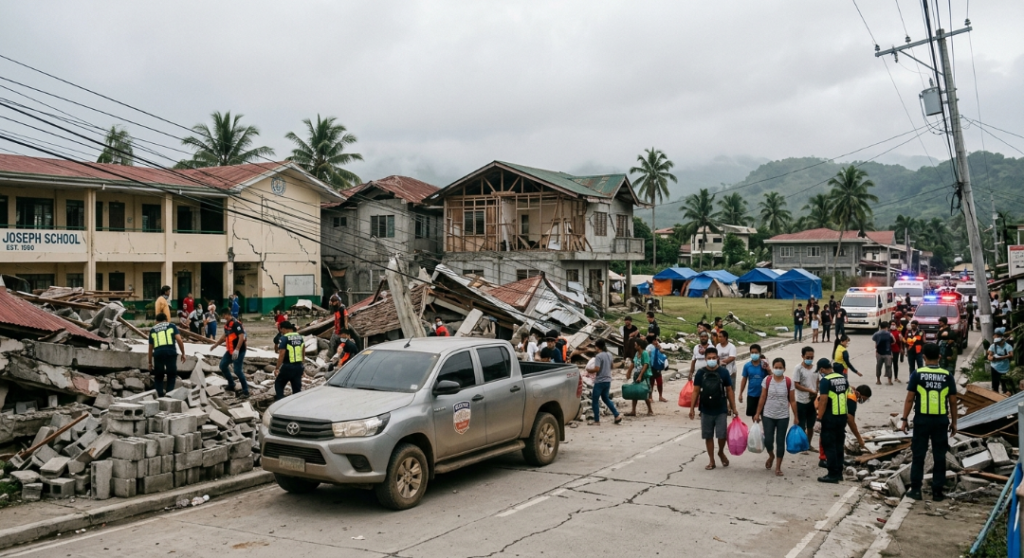
Philippines Earthquake 2026: Causes, Impact, and Preparedness
Introduction
The Philippines earthquake 2026 has once again highlighted the country’s vulnerability to natural disasters. Located in one of the world’s most active seismic regions, the Philippines experiences numerous earthquakes every year. While many are too small to be felt, stronger tremors can cause significant damage to communities, infrastructure, and livelihoods. Understanding why earthquakes occur, how they affect the country, and what steps people can take to stay safe is essential for building a more resilient society.
Overview of Earthquakes in the Philippines
The Philippines is no stranger to earthquakes. Hundreds of seismic events are recorded across the country each year due to its geographical location. Most earthquakes are minor, but some have resulted in widespread destruction and loss of life. The Philippines earthquake 2026 serves as a reminder that earthquake preparedness remains a national priority.
Why the Country Is Highly Vulnerable to Seismic Activity
The Philippines sits along major tectonic plate boundaries where intense geological activity takes place. This location exposes the country to frequent earthquakes, volcanic eruptions, and other natural hazards. Its many islands and densely populated urban centers further increase the potential impact of strong seismic events.
What Is an Earthquake?
An earthquake is the sudden shaking of the Earth’s surface caused by the movement of rocks beneath the ground. These movements release energy that travels through the Earth in the form of seismic waves.
Definition and Basic Explanation
Earthquakes occur when stress builds up along faults in the Earth’s crust. When the stress becomes too great, the rocks break or slip, releasing energy and causing the ground to shake.
How Earthquakes Occur
The Earth’s crust is divided into large tectonic plates that constantly move. When these plates collide, pull apart, or slide past one another, pressure accumulates. Once released, an earthquake occurs. Events such as the Philippines earthquake 2026 are often linked to these ongoing geological processes.
Why Does the Philippines Experience Frequent Earthquakes?
The Philippines experiences frequent earthquakes because of its unique geological position.
Location on the Pacific Ring of Fire
The country lies within the Pacific Ring of Fire, a horseshoe-shaped zone known for intense seismic and volcanic activity. This region is responsible for many of the world’s largest earthquakes and volcanic eruptions.
Major Fault Lines and Tectonic Plates
Several active fault systems cross the Philippines, including the Philippine Fault Zone. The interaction between the Philippine Sea Plate and the Eurasian Plate generates continuous seismic activity, increasing the likelihood of events like the Philippines earthquake 2026.
Recent Earthquakes in the Philippines
Recent years have seen several notable earthquakes across different regions of the country.
Latest Significant Earthquake Events
The Philippines earthquake 2026 joins a list of recent seismic events that have affected communities nationwide. These earthquakes vary in magnitude and depth but often serve as important reminders of the country’s seismic risks.
Magnitude, Location, and Effects
The severity of an earthquake depends on its magnitude, depth, and proximity to populated areas. Strong earthquakes can damage buildings, disrupt transportation, and trigger landslides, particularly in mountainous regions.
The Strongest Earthquakes in Philippine History
The Philippines has experienced several devastating earthquakes throughout its history.
Notable Historical Earthquakes
Major earthquakes have struck regions such as Luzon, Mindanao, and the Visayas. Some have caused widespread destruction and significant casualties, leaving lasting impacts on affected communities.
Their Impact on Communities and Infrastructure
Historical earthquakes have damaged homes, schools, hospitals, roads, and bridges. They have also displaced thousands of people and created long-term economic challenges for affected areas.
Regions Most Prone to Earthquakes
Certain parts of the Philippines face greater earthquake risks than others.
Areas with High Seismic Activity
Regions located near active fault lines and subduction zones tend to experience more frequent earthquakes. These include parts of Luzon, Eastern Visayas, and Mindanao.
Risk Assessment Across the Country
Government agencies continuously monitor seismic activity and assess earthquake risks. Understanding regional vulnerabilities helps communities prepare for future events like the Philippines earthquake 2026.
Impact of Earthquakes on Communities
Earthquakes can have serious social and economic consequences.
Loss of Life and Injuries
Strong earthquakes can cause injuries and fatalities, especially when buildings collapse or emergency response is delayed.
Damage to Homes, Roads, and Public Facilities
Infrastructure damage often disrupts daily life. Roads may become impassable, schools may close, and essential services can be interrupted for days or weeks.
Economic Consequences
Recovery efforts require significant financial resources. Businesses may suffer losses, tourism can decline, and reconstruction projects often take years to complete.
Government Response and Disaster Management
The Philippine government plays a vital role in earthquake preparedness and recovery.
Emergency Response Efforts
After major earthquakes, emergency teams conduct search-and-rescue operations, provide medical assistance, and distribute relief supplies to affected communities.
Role of Disaster Management Agencies
National and local disaster management agencies coordinate preparedness programs, public education campaigns, and emergency response strategies to reduce earthquake risks.
Earthquake Safety Tips
Being prepared can save lives during an earthquake.
Before an Earthquake
Secure heavy furniture, identify safe spots in your home, and prepare an emergency kit with food, water, and medical supplies.
During an Earthquake
Stay calm and follow the “Drop, Cover, and Hold On” method. Avoid windows, glass, and objects that could fall.
After an Earthquake
Check for injuries, inspect your surroundings for hazards, and stay informed through official updates. Be prepared for possible aftershocks.
How Technology Helps Monitor Earthquakes
Modern technology plays a crucial role in earthquake monitoring.
Seismic Monitoring Systems
Networks of sensors detect ground movement and provide valuable data to scientists studying seismic activity.
Early Warning Technologies
Although earthquakes cannot be predicted precisely, early warning systems can provide seconds of notice before strong shaking begins, helping people take protective action.
Earthquake Preparedness for Families
Family preparedness is essential in earthquake-prone regions.
Creating an Emergency Plan
Every household should establish communication plans, evacuation routes, and meeting points in case family members become separated.
Preparing an Emergency Kit
A well-stocked emergency kit should include water, food, flashlights, batteries, medications, first-aid supplies, and important documents.
Climate, Geography, and Seismic Risks
Natural hazards often interact with geographical conditions.
Understanding Natural Hazards in the Philippines
The Philippines faces earthquakes, typhoons, volcanic eruptions, floods, and landslides. These hazards can sometimes occur in combination, increasing risks for communities.
Relationship Between Geography and Earthquakes
Mountainous terrain, coastal locations, and densely populated cities can influence how earthquakes affect people and infrastructure.
Lessons Learned from Past Earthquakes
Past disasters provide valuable insights for future preparedness.
Improvements in Building Standards
Many building regulations have been strengthened to improve structural safety and reduce earthquake-related damage.
Public Awareness and Preparedness Campaigns
Educational programs, drills, and community training sessions help residents understand how to respond during emergencies.
Future Challenges and Preparedness Efforts
Despite progress, challenges remain.
Strengthening Infrastructure
Governments and private organizations continue investing in earthquake-resistant buildings, bridges, and transportation systems.
Enhancing Disaster Resilience
Long-term resilience requires public education, effective planning, and continued investment in disaster preparedness. The lessons learned from the Philippines earthquake 2026 can help improve future safety measures.
Conclusion
The Philippines earthquake 2026 underscores the importance of understanding seismic risks and preparing for future earthquakes. Because the country lies within a highly active geological region, earthquakes will remain a part of life for many communities. By strengthening infrastructure, improving emergency response systems, and promoting public awareness, the Philippines can reduce the impact of future disasters. Preparedness, education, and resilience remain the strongest tools for protecting lives and communities from earthquake-related risks.
Frequently Asked Questions
Why are earthquakes common in the Philippines?
Earthquakes are common in the Philippines because the country is located along the Pacific Ring of Fire, one of the most seismically active regions in the world. The movement of several tectonic plates and the presence of active fault lines regularly generate earthquakes across the archipelago. This geological setting is a major reason why events such as the Philippines earthquake 2026 occur.
What was the strongest earthquake in Philippine history?
One of the strongest earthquakes recorded in Philippine history was the 1918 Celebes Sea earthquake, which had an estimated magnitude of 8.3. It generated a destructive tsunami that affected parts of southern Philippines and caused significant loss of life and property damage. Several other powerful earthquakes have also struck the country over the years, highlighting its vulnerability to major seismic events.
Which areas in the Philippines are most vulnerable to earthquakes?
Areas located near active fault lines and subduction zones are generally the most vulnerable to earthquakes. These include parts of Luzon, Mindanao, and the Eastern Visayas region. Cities and provinces situated close to the Philippine Fault Zone face higher seismic risks and require strong preparedness measures to reduce potential damage.
What should I do during an earthquake?
During an earthquake, follow the recommended safety procedure: Drop, Cover, and Hold On. Get down on your hands and knees, take cover under a sturdy table or desk, and hold on until the shaking stops. Stay away from windows, glass, and heavy objects that could fall. If you are outdoors, move to an open area away from buildings, trees, and power lines. After the earthquake, remain alert for aftershocks and follow instructions from local authorities.